Latest News
Common myths about eye health, debunked!

When it comes to eye health, there is plenty of advice out there. From carrots supposedly helping you see in the dark to the idea that wearing glasses can make your eyesight worse. It can sometimes be difficult to tell fact from fiction.
Looking after your eyes is an important part of your overall health, but some common misconceptions could mean you’re missing out on simple ways to protect your vision. We believe that understanding your eye health is the first step towards looking after it. So, let's put some of the most common eye health myths to the test!
Myth 1: Wearing glasses weakens your eyesight
The truth: Glasses don’t weaken your eyes.
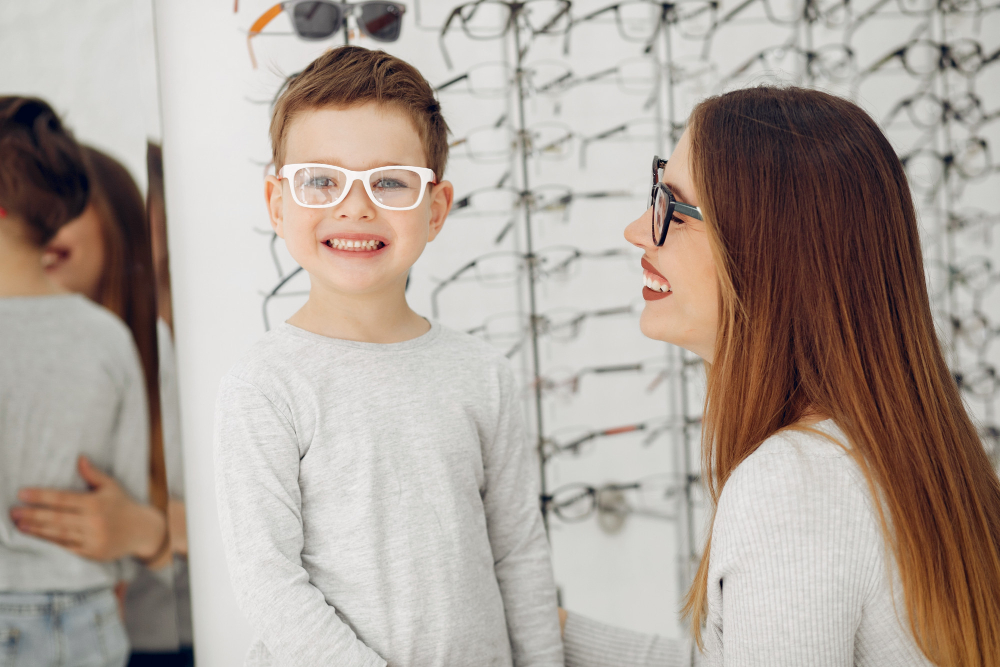
If you’ve ever worried that wearing your glasses too often will make your eyes dependent on them, you’re not alone. However, prescribed glasses simply help your eyes focus light correctly, allowing you to see more clearly.
You may notice that your vision feels blurrier when you remove your glasses, particularly after getting used to seeing clearly with them. This doesn’t mean that your eyesight has deteriorated because of your glasses. Your prescription may change over time for several reasons, including natural changes as you age. If you notice a difference in your vision, an eye test can help establish whether your prescription needs updating.
Myth 2: You only need an eye test if you’re struggling to see
The truth: Regular eye tests are important, even when your vision seems perfectly fine.
It's easy to presume that if you can read a book, recognise faces and see clearly at a distance, your eyes must be healthy. However, some eye conditions can develop without noticeable symptoms in their early stages.
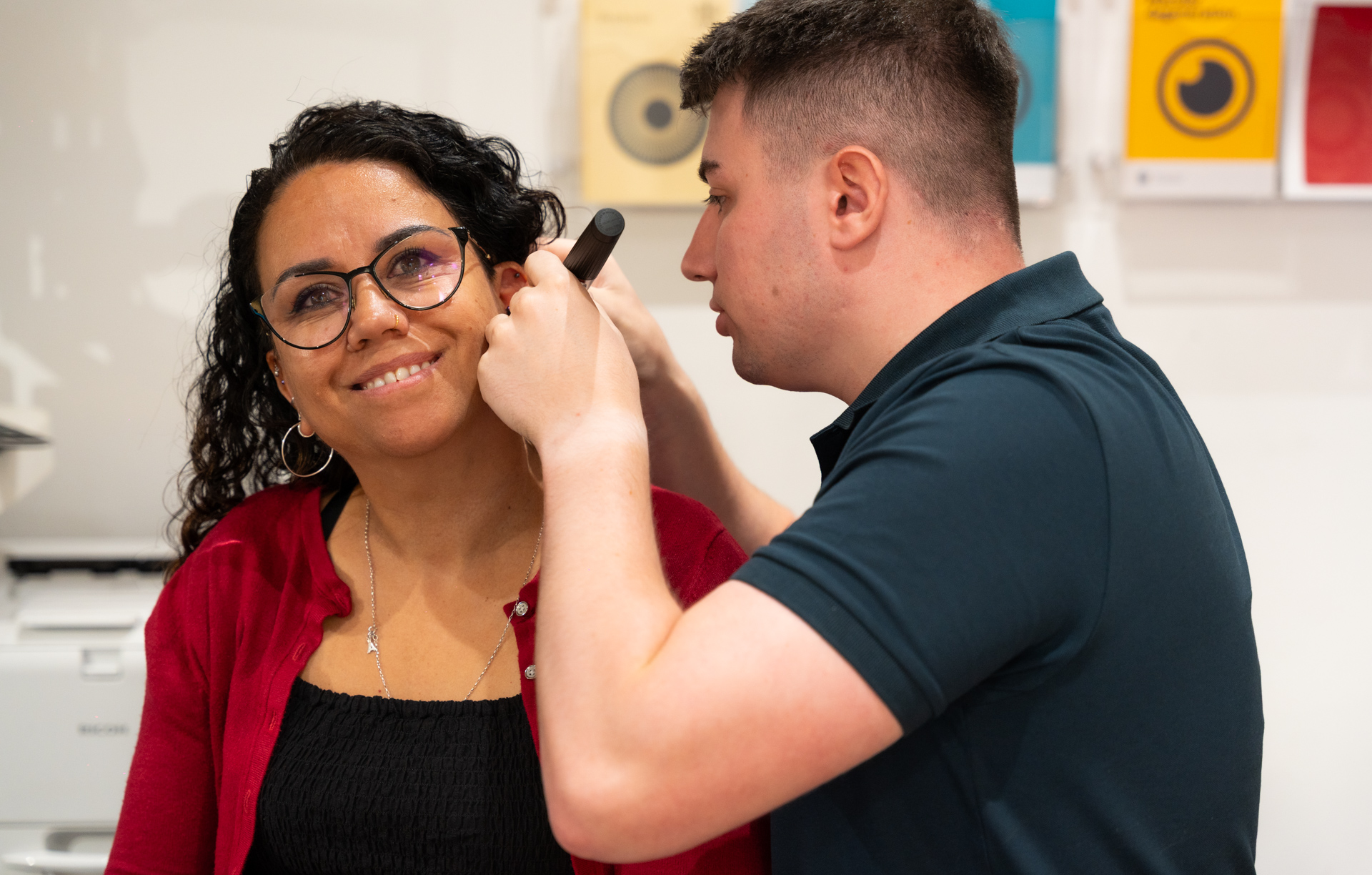
An eye test does more than check whether you need glasses. Your optometrist can also assess the health of your eyes and look for early signs of conditions such as glaucoma and cataracts. The NHS recommends having an eye test at least every two years, although your optometrist may advise more frequent appointments depending on your individual needs.
Keeping up with regular eye tests can help to identify potential problems early, even before you notice changes yourself.
Myth 3: Eating carrots will give you perfect eyesight and help you see in the dark
The truth: Carrots support eye health, but they won’t correct your vision.
There's a good reason carrots have become so loosely associated with good eyesight. They contain beta-carotene, which the body converts into vitamin A, an essential nutrient.
However, eating more carrots won’t correct your eyesight, help you to see in the dark, nor will it eliminate the need for glasses if you have a prescription. A balanced diet is a much better approach to supporting your overall eye health. Include a variety of fruit and vegetables, leafy greens, and other nutrient-rich foods as part of your everyday meals.
Think of carrots as one piece of the puzzle, rather than a magic solution for perfect vision!
Myth 4: Reading in poor light damages your eyesight
The truth: Reading in dim lighting can cause discomfort, but it won’t usually cause permanent damage to your eyes
Whether you enjoy reading in bed or find yourself working late into the evening, you may have been told that poor lighting will ruin your eyesight.
Although reading in dim light doesn’t usually cause lasting damage, it can make your eyes feel tired and uncomfortable. You may experience temporary eye strain, headaches, or difficulty focusing.
The solution is simple. Make sure your reading area is well lit, adjust the brightness of your screen where necessary, and take regular breaks when concentrating on close-up tasks. Good lighting can make reading more comfortable, helping you enjoy your favourite book without unnecessary eye strain.
Myth 5: Screen time permanently damages your eyes
The truth: Prolonged screen use can cause eye strain and discomfort, but it doesn’t automatically mean you’re damaging your eyesight.
From working at a computer to scrolling on your phone, screens are a big part of everyday life. Spending long periods looking at them can contribute to digital eye strain, with symptoms including dry eyes, headaches, blurred vision, and tiredness.
One reason is that we tend to blink less frequently when concentrating on a screen, which can leave our eyes feeling dry. Fortunately, a few simple habits can help:
- Follow the 20-20-20 rule. Every 20 minutes, look at something around 20 feet away for at least 20 seconds.
- Remember to blink: This helps spread tears across the surface of your eyes.
- Adjust your screen: Position it comfortably and make sure the text is easy to read.
- Take regular breaks. Give yourself a chance to move around and look away from your screen.
If you regularly experience eye strain or blurred vision, an eye test can help to identify possible causes and determine whether you need further advice.
Myth 6: Sunglasses are only a necessity in the summer
The truth: Your eyes need protection from ultraviolet (UV) rays throughout the year.
Sunglasses may feel like an essential summer accessory, but UV exposure isn’t limited to sunny days at the beach.
UV rays can reach your eyes throughout the year, including when the weather is cloudy. Long-term exposure can contribute to certain eye conditions, making protection an important part of your eye care routine.
When choosing sunglasses, look for a pair that offers 100% UVA and UVB protection. Style is important (and we have plenty of stylish options to pick from across our practices!), but correct UV protection should always come first. Whether you're enjoying a winter walk, driving on a bright day, or spending time outdoors, the right sunglasses can help protect your eyes while keeping you comfortable.
Looking after your eyes starts with the right advice
It's easy to take your eyesight for granted, particularly when everything seems to be working as it should be. However, understanding the facts about eye health can help you to make better choices and recognise when it's time to seek professional advice. To keep your eyes in good shape, remember to:
- Book regular eye tests, even if you haven’t noticed any changes in your vision.
- Eat a balanced diet that includes a variety of fruit and vegetables.
- Take regular breaks from screens and give your eyes a chance to rest.
- Wear sunglasses with the appropriate UV protection.
- Seek advice if you notice any changes in your eyesight.
Book an eye test with Haine & Smith Opticians
Your eye health deserves the same attention as the rest of your wellbeing. Whether you’re due for a routine check-up or have noticed a change in your vision, our team is here to help.
At Haine & Smith Opticians, we’re proud to provide professional eye care and friendly advice across our practices. Book your next eye test today and take a positive step towards looking after your vision.
Find your nearest practice and get in touch with our team.