Latest News
Coping with Autumn: How to tackle dry eyes this season
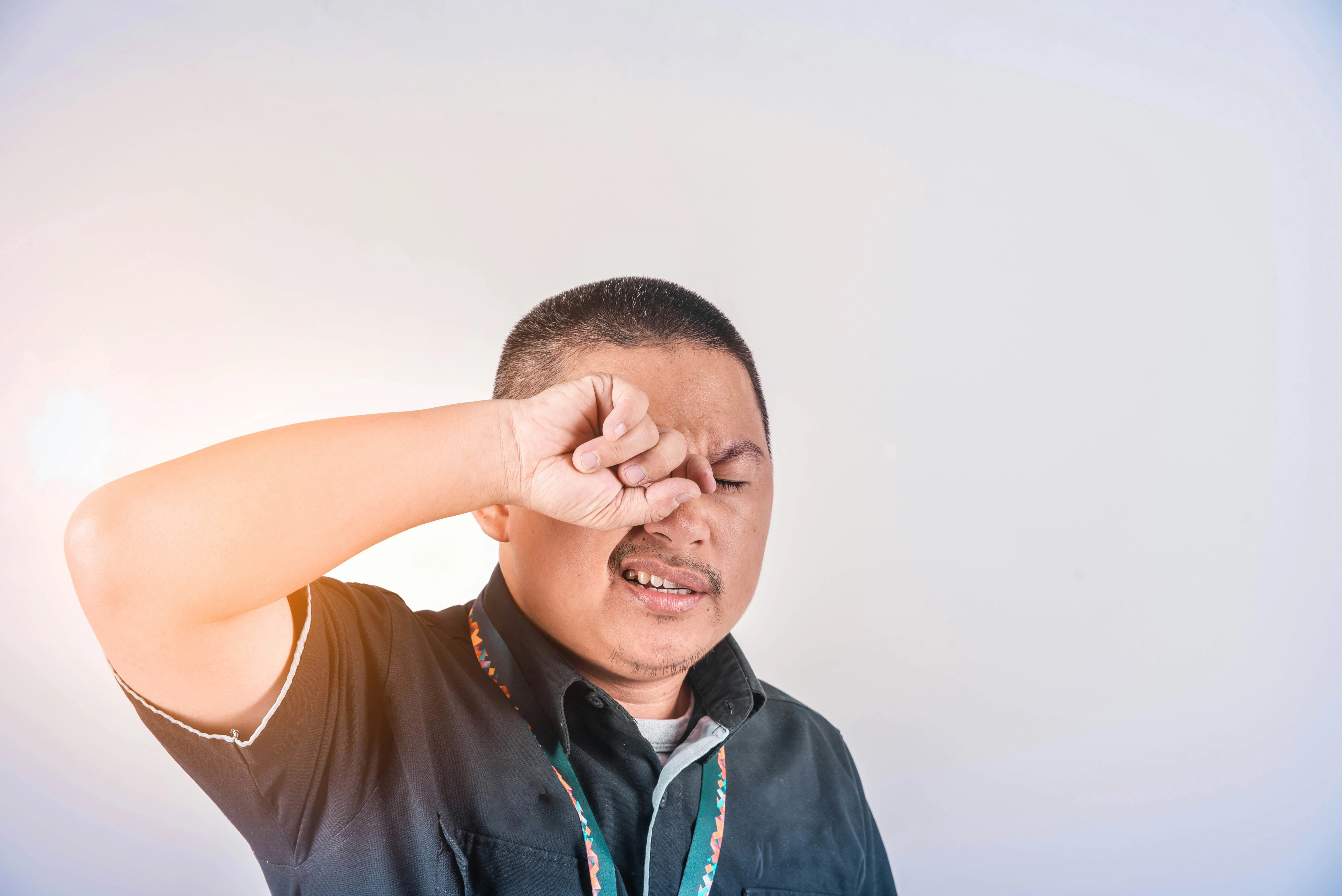
As the leaves change colour and the air grows crisp, autumn brings a sense of cosy comfort, but it can also bring a little-known nuisance, dry eyes.
For many, the drop in humidity, colder winds, and longer hours indoors can trigger irritation, redness, and discomfort. At Haine & Smith, we understand how this seasonal shift can affect your eye health.
Here’s a handy guide to keeping your eyes happy and hydrated this autumn.
Why do dry eyes flare up in autumn?
Several factors contribute to dry eye symptoms as the seasons change:
- Lower humidity: Cooler air holds less moisture, which can cause your eyes to lose hydration more quickly.
- Windy weather: Brisk autumn winds increase tear evaporation, leading to irritation.
- Indoor heating: Central heating dries out indoor air, further reducing eye moisture.
- Screen time: Shorter daylight hours often mean more time indoors, increasing screen exposure and decreasing blink rates, which exacerbates dryness.
Symptoms to watch out for
Dry eyes can vary from mild to persistent. Common symptoms include:
- Redness or bloodshot eyes.
- Itchy or burning sensation.
- Excessive watering (yes, dry eyes can cause watery eyes!).
- Sensitivity to light.
- Feeling like there’s something in your eye or a gritty sensation.
If these symptoms persist, it’s important to consult a professional.
Practical tips to relieve autumn dry eyes
- Use lubricating eye drops: Over-the-counter eye drops can help restore moisture. Always opt for preservative-free formulas to prevent irritation. If you’re unsure of which eye drops to use, contact your local Haine & Smith practice, and they will be able to assist you.
- Maintain a humid indoor environment: Using a humidifier at home or at work can prevent the air from drying out your eyes.
- Mind your screen time: Follow the 20-20-20 rule, every 20 minutes, look at something 20 feet away for 20 seconds to reduce eye strain.
- Warm compress and eyelid hygiene: Gently applying a warm compress can help stimulate oil glands in the eyelids, improving tear quality.
When to see a professional
If dry eye symptoms persist despite these measures, it may indicate an underlying condition such as blepharitis, meibomian gland dysfunction (MGD), or seasonal allergies. An optometrist can recommend tailored treatments from drops to lifestyle adjustments.
Autumn doesn’t have to mean uncomfortable eyes. By taking simple preventative steps, protecting your eyes from environmental stressors, and seeking professional care when needed, you can enjoy the season in comfort.
For more advice, visit your local Haine & Smith practice and speak to a member of our professional team.