Latest News
Swimming, sun and safety: Summer eye health tips

Summer is a time for holidays, outdoor adventures, family days out, and making the most of the sunshine. Whether you’re swimming in the sea, relaxing by the pool, enjoying a countryside walk or heading overseas, it’s important to remember that your eyes need protection too.
Most people know the importance of suncream for their skin, but many overlook the impact that summer conditions have on their eye health. From UV exposure to swimming-related irritation, taking a few simple precautions can help keep your eyes comfortable, healthy, and protected throughout the season.
Protect your eyes from harmful UV rays
Just like your skin, your eyes can be damaged by ultraviolet (UV) radiation. Long-term exposure to UV rays has been linked to an increased risk of eye conditions, including cataracts and age-related macular degeneration. UV rays can also cause short-term discomfort, such as light sensitivity and irritation.
When choosing sunglasses, look for:
- 100% UVA and UVB protection
- CE or UKCA certification
- A comfortable fit that offers good coverage around the eyes
- Polarised lenses if you spend time around water or driving, as they can help to reduce
glare.
It’s worth noting that darker lenses don’t automatically provide better UV protection. The UV filter is what matters the most.
Don’t forget the children!
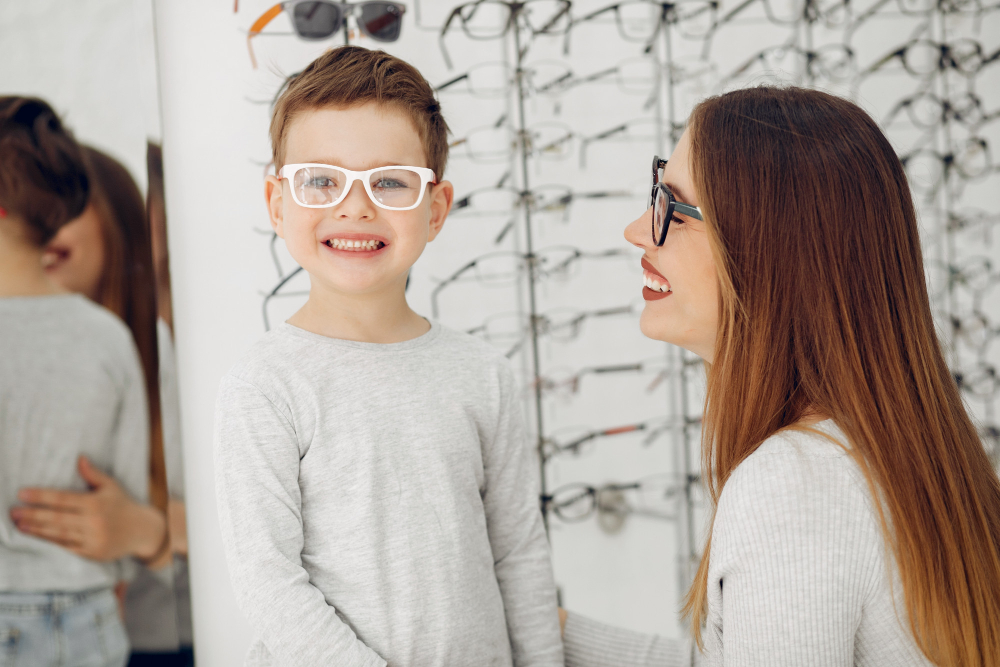
Children’s eyes are particularly sensitive to UV damage because they allow more UV light to reach the retina than adult eyes. Sunglasses and wide-brimmed hats can provide excellent protection when they’re playing outdoors or spending time at the beach.
Swimming and eye irritation
Swimming is one of the joys of summer, but pools, lakes and seawater can all affect your eyes differently
Swimming pools
Chlorine helps to keep pools clean, but it can also disrupt the natural tear film that protects the surface of your eyes. This may lead to:
- Redness
- Dryness
- Itching
- Temporary blurred vision
Wearing swimming goggles can create a barrier between your eyes and the water, helping to reduce irritation.
Open water swimming
Sea water and freshwater lakes can contain salt, microorganisms, and other irritants that may cause discomfort. If your eyes feel sore after swimming, rinse them gently with clear, fresh water and avoid rubbing them.
Contact lens wearers, take extra care
Summer activities can present additional challenges for contact lens wearers.
Whenever possible, avoid swimming while wearing contact lenses. Water can introduce bacteria and other microorganisms that may become trapped between the lens and the eye, increasing the risk of infection.
If you do need vision correction while swimming:
- Consider prescription swimming goggles
- Use daily disposable contact lenses and discard them immediately afterwards
- Always wear well-fitting swimming goggles
- Never rinse contact lenses in tap water
If you experience redness, pain, light sensitivity, or changes in vision after swimming, seek professional advice promptly.
Stay hydrated for comfortable eyes
Warm weather, air conditioning, and increased time outdoors can all contribute to dry eyes.
Dehydration may reduce tear production, leading to symptoms such as:
- Grittiness
- Burning sensations
- Tired eyes
- Fluctuating vision
Drinking plenty of water throughout the day can help support healthy tear production. If you are prone to dry eyes, preservative-free lubricating eye drops may also provide relief.
Watch out for sand, wind and allergies
Summer often brings environmental irritants that can affect your eyes.
Sand and wind
Beach days can expose your eyes to windblown sand and debris. Wraparound sunglasses can help to protect against both UV rays and airborne particles.
Seasonal allergies
Grass pollen and other summer allergens can cause:
- Itchy eyes
- Watery eyes
- Redness
- Swollen eyelids
Avoid rubbing your eyes, as this can worsen irritation. Instead, use a cold compress or seek advice on suitable allergy treatments if symptoms persist.
Give your eyes a break
Summer often means more screentime while travelling, working remotely, or sharing holiday photos!
Remember the 20-20-20 rule. Every 20 minutes, look at something around 20 feet away for at least 20 seconds.
This simple habit can help to reduce eye strain and keep your eyes feeling more comfortable throughout the day.
Book an eye test before your holiday
If you’re planning a summer getaway, it's a great idea to make sure your prescription is up to date before you go. A comprehensive eye test doesn’t just assess your vision; it also checks the overall health of your eyes and can help to identify any potential issues before they become more serious. At Haine & Smith Opticians, our experienced team combines advanced technology with personalised care to help keep your eyes healthy all year round.
Enjoy summer safely
Summer should be about making memories, not dealing with sore, irritated, or uncomfortable eyes. By protecting your eyes from UV rays, taking care when swimming, staying hydrated, and booking regular eye examinations, you can enjoy the season with confidence.
If you'd like advice on prescription sunglasses, eye health concerns, or booking your next eye test, visit your local Haine & Smith practice and speak to our friendly team.